Sports vs. Screens: The Dopamine Battle We’re All Fighting
Since COVID, a silent battle has been growing stronger - sports, activities, and real-world connection vs. the pull of screens and devices. Parents, teachers, doctors, and coaches everywhere are noticing it. Shorter attention spans, less energy for play, and a growing gap in both physical and social skills. And it’s not just a hunch, studies show elementary students’ focus has dropped by as much as 40% since the pandemic, and the trend continues to grow year after year.
At the same time, children’s proprioceptive skills - their ability to sense body position, depth and movement - have also declined noticeably. Less time spent on playgrounds, in sports, and playing games means more clumsiness, more injuries, and fewer opportunities to develop balance, core strength, coordination, and physical confidence.
So, what’s behind all this? A big part of the answer lies in one powerful brain chemical: Dopamine.
The Dopamine Myth: It’s Not the “Happy” Chemical
We often hear dopamine called the “happy chemical,” but here’s the truth: dopamine doesn’t create happiness, it creates anticipation. It’s the spark that says, “This next scroll, this next level of the video game, this next video will be awesome.”
Devices, video games, and apps are specifically engineered and coded to exploit that dopamine fix in kids. It happens to us adults too! Who amongst us hasn’t gone down an Instagram or Tik Tok black hole? Social media, games, and notifications drip-feed dopamine in short, addictive bursts. But this kind of dopamine rarely leads to lasting contentment. It keeps kids chasing the next hit instead of building the deeper satisfaction that comes from learning, achieving, and connecting.
Why Sports Win the Real Battle
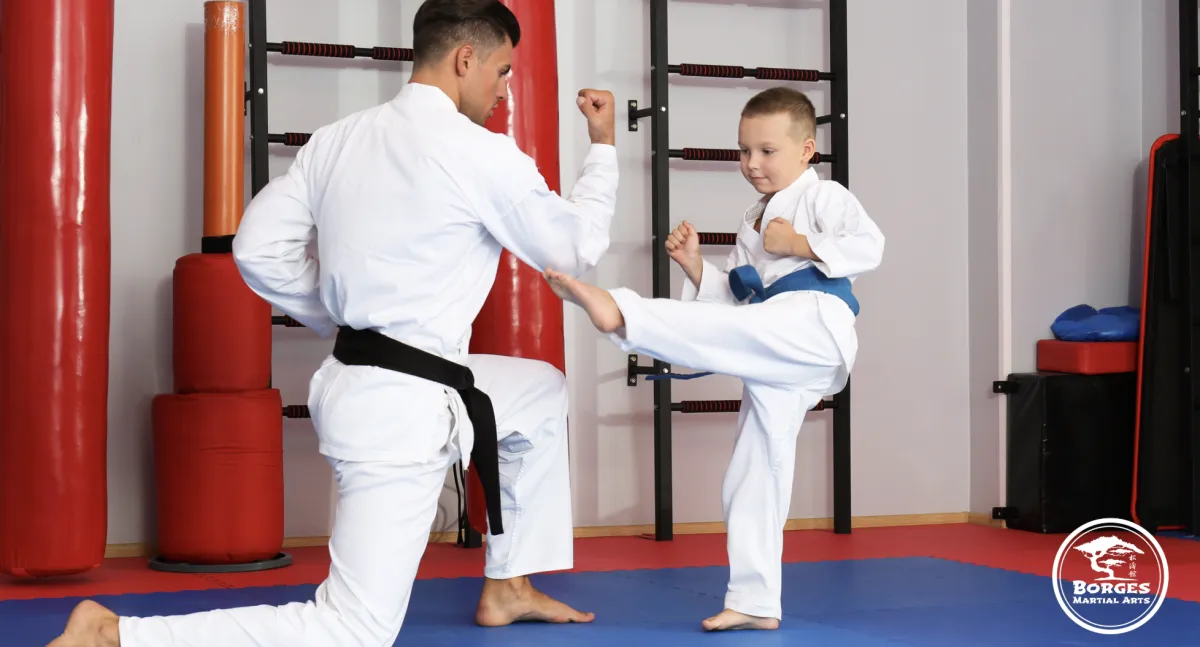
Activities like sports, martial arts, dance, and team events give kids what screens can’t - true, lasting satisfaction. They release a balanced mix of brain chemicals, not just dopamine, but serotonin, oxytocin, and endorphins too - creating joy, belonging, and accomplishment.
Sports create a feedback loop of growth. Kids set a goal, work for it, achieve it, and feel proud. That pride doesn’t fade when the screen goes dark - it lasts!
The Role of Energy and Social Hygiene
The battle against devices isn’t just about willpower, it’s about hygiene for the mind and body.
Energy hygiene means choosing activities that give back more than they take, like martial arts, sports, and creative play. It means setting intentional boundaries with devices, staying active, and fueling the body so the brain is ready for real growth.
Social hygiene is just as vital. Digital communication feels connected, but doesn’t release the same bonding chemicals that real face-to-face friendships do. True human connection triggers serotonin - the “connection chemical.” A laugh with a teammate, a high five after class, or a shared challenge builds the kind of friendships that kids truly thrive on.
Why Martial Arts Is a Solution
We know academics matter - new school schedules, increased workloads, and high expectations all demand time and focus. But here’s the key: physical, intellectual, emotional, and social development are not optional, they’re foundational to academic success, not in competition with it.
That’s where SKILLZ comes in. Our program is built to give students strong, fun, and consistent growth across all these areas, using martial arts as the vehicle. Every class is intentionally designed to improve focus, build balance and coordination, develop resilience, and nurture social connection in an encouraging, screen-free environment.
This isn’t just a battle for attention, it’s a battle for authentic happiness, health, and development. Dopamine-driven screen time promises the world but rarely delivers. Sports and programs like SKILLZ don’t just pull kids off screens; they rebuild the skills and confidence that a generation is at risk of losing.
So, the next time you wonder whether your child has “enough time” for an activity, remember: the real question is, what kind of growth are they missing if they don’t?
